Debunking Common Myths About Meditation: A Comprehensive Guide

Meditation is often misrepresented in popular culture, leading to a plethora of misconceptions about its true essence. Contrary to the portrayal of meditation as a state of thoughtless, blissful emptiness akin to a zombie's mind, the practice encompasses a wide range of experiences, including moments of clarity, insight, and profound understanding of one's inner self.
Understanding the Meditation Process
Meditation is a journey, not a destination. It's about embracing every moment of the practice, whether it leads to a state of transcendent emptiness or involves navigating through a sea of thoughts. Even moments of distraction are part of the process, teaching us about patience and the non-linear path to heightened awareness.
Correcting Misconceptions About Meditation
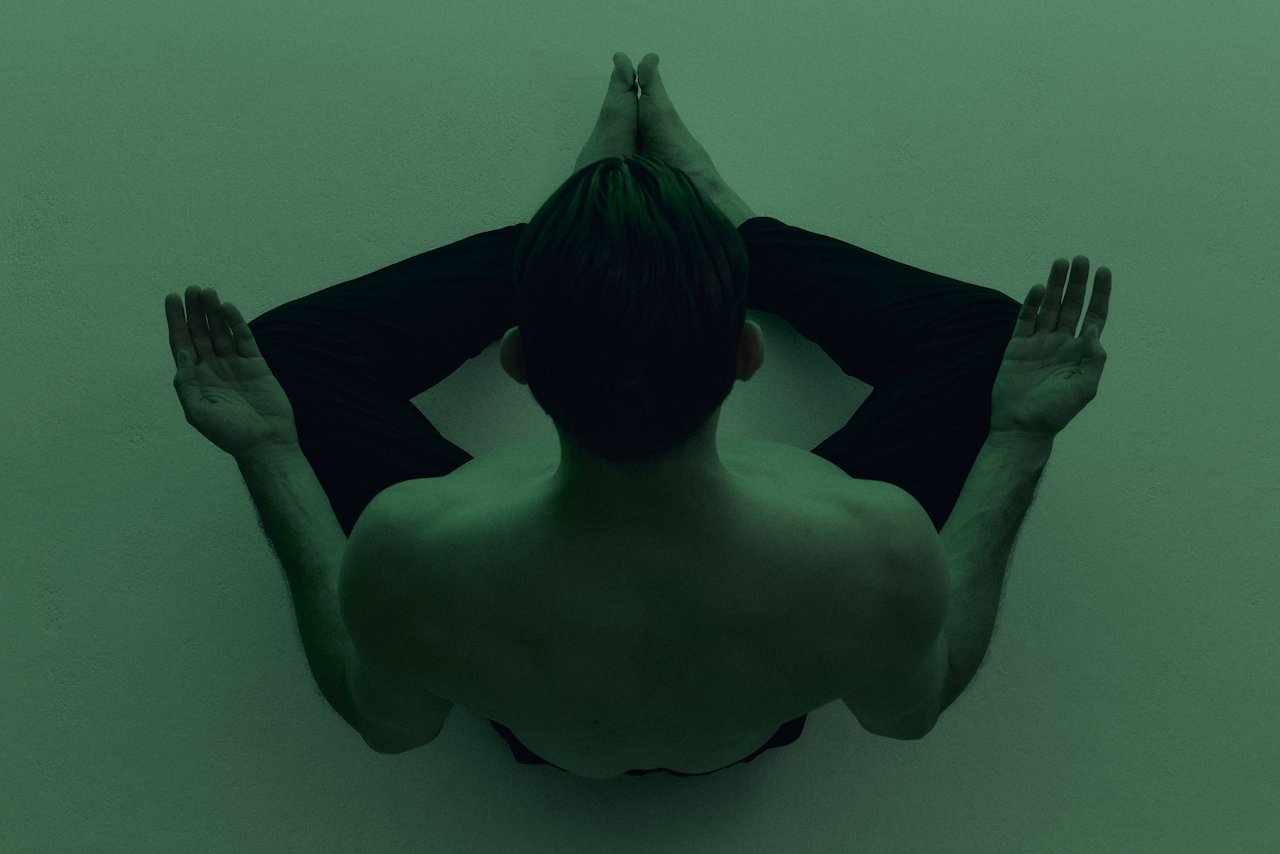
Posture and Positioning: The belief that meditation requires sitting in a full lotus position on the floor is a common misconception. While the full lotus (Padmasana) position has its benefits, such as facilitating proper breathing and embodying nonduality, it's not a prerequisite for effective meditation. A straight spine and comfortable posture, whether seated in a chair or lying down, are critical. Meditation can also be integrated into daily activities, promoting mindfulness in motion.
Mental Activity: The idea that meditation aims to empty the mind of all thoughts is another myth. Meditation involves observing the natural flow of thoughts, acknowledging both pleasant and unpleasant ones. It's about becoming a vessel that can hold and examine any thought, understanding its origins, and learning from its patterns. This practice fosters a sense of equanimity and reduces the impact of disruptive thoughts over time.
Relaxation vs. Awareness: While many associate meditation solely with relaxation, its purpose extends far beyond physical calmness. Meditation can indeed lead to relaxation, but it also sharpens the mind, allowing for increased alertness, creativity, and emotional resilience. The practice is about being present and fully engaging with the moment, whether it brings peace or challenges.
Embracing the Full Spectrum of Meditation
Meditation is not just about achieving a perfect state of bliss, or reaching enlightenment. It's a practice of acceptance, curiosity, and exploration of the self. By confronting and utilizing "mental weeds" as guides, practitioners can deepen their understanding and expand their consciousness.
Developing a regular meditation practice strengthens the mind, akin to a swordsman honing their skills for battle. It's about remaining open to the full range of human experiences and discovering what works best for you on your path to self-awareness.
In summary, meditation is a multifaceted practice that encompasses more than just achieving a state of thoughtless tranquility. It's a journey of exploration, acceptance, and growth that can transform your understanding of yourself and the world around you.
For an easy beginning point to start your meditation, check out this free offering in the video below!