

In the summer of 2018, I spent a month traveling through Nepal, Tibet, and Bhutan. Of all the places I visited, one stopped me in my tracks in a way I still think about: the Pashupatinath Temple complex in Kathmandu.
Pashupatinath sits on the banks of the Bagmati River, roughly five kilometers northeast of the city center. It is considered the holiest Hindu temple in Nepal, dedicated to Pashupati, a manifestation of Shiva whose name translates from Sanskrit to "Lord of All Living Beings."
The oldest documented structure dates to 400 CE, and the current main temple was rebuilt in 1692 after termites destroyed its predecessor. UNESCO designated the entire Pashupatinath precinct a World Heritage Site in 1979, recognizing it as one of seven monument groups within the Kathmandu Valley. The entire complex spans 246 hectares and contains 518 mini-temples surrounding the central pagoda-style shrine, which is capped with a gold pinnacle and four silver-plated doors. Only Hindus are permitted inside the main sanctum, but non-Hindus can observe from terraces on the opposite bank of the Bagmati.
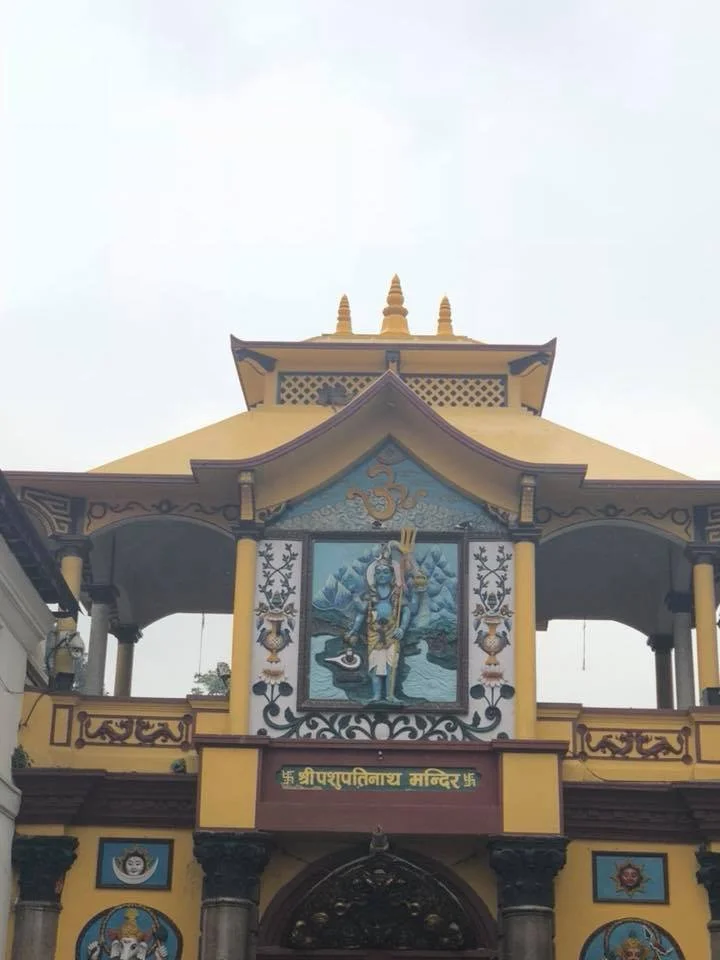
Exterior of temple sanctum | Photo by Jennifer Sodini (2018)
What strikes you immediately upon entering the grounds is the open-air cremation happening along the riverbanks. The Arya Ghat, the primary cremation site, operates continuously. Many Hindus believe that cremation at Pashupatinath guarantees moksha, liberation from the cycle of rebirth. It is a rare place in the world where life and death share the same square footage in peaceful reverence.
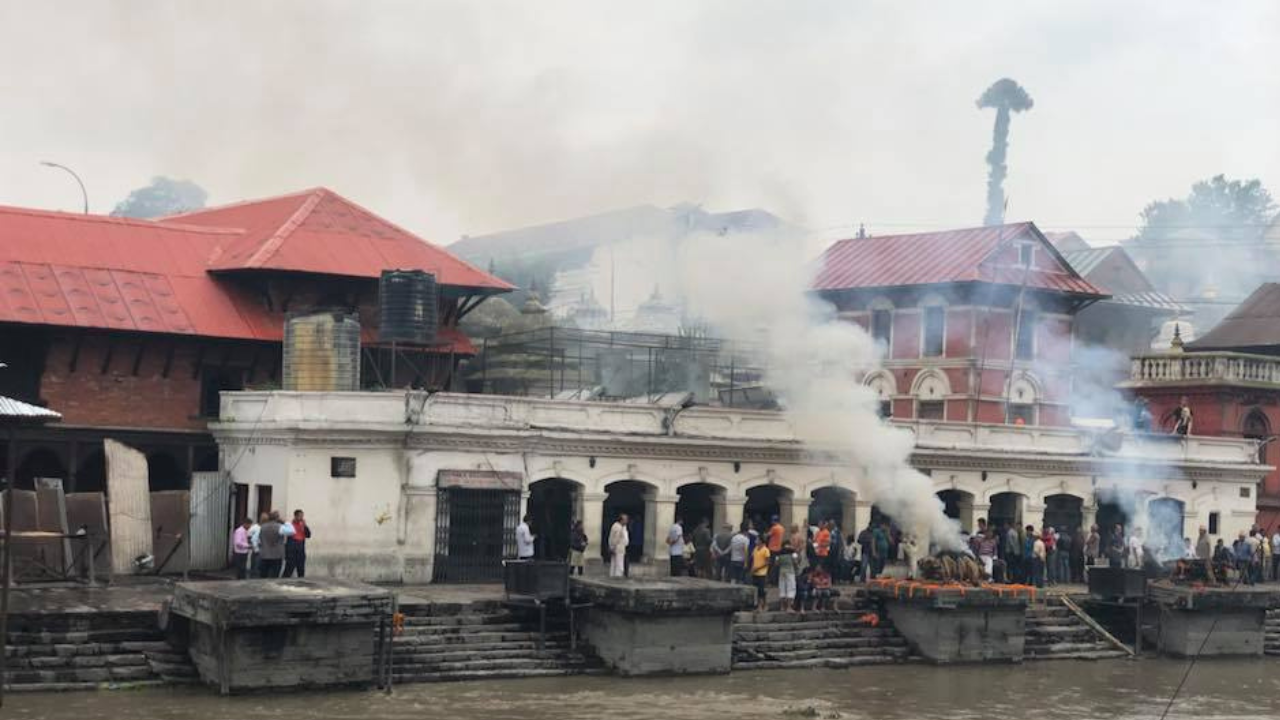
Pashupatinath | Photo by Jennifer Sodini (2018)
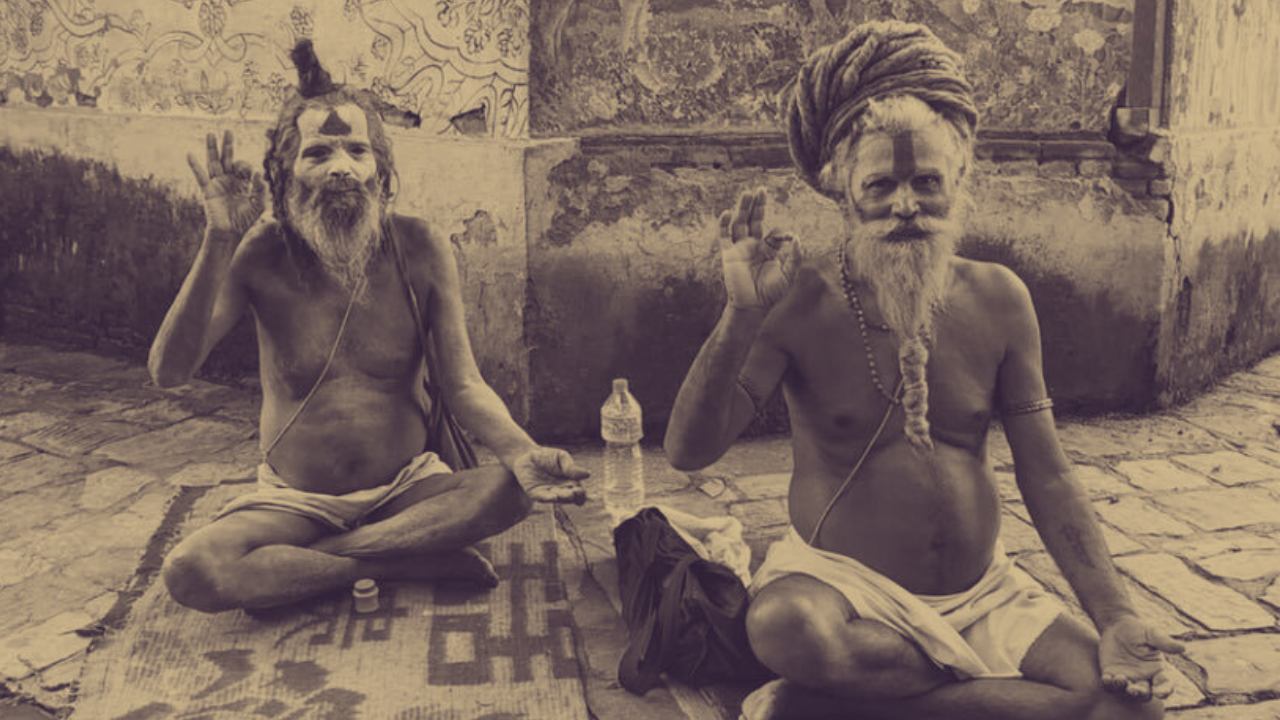
It was there, in that atmosphere, that I encountered the Aghori babas.
The Aghoris are a small sect of Shaivite sadhus, Hindu ascetics devoted to Shiva in his most fearsome form, Bhairava. The word "Aghora" derives from Sanskrit and means "not terrible" or "fearless." Their origins trace back to the Kapalika tradition, ascetics known as "wearers of skulls," with the modern sect taking shape in the 17th century through a teacher named Baba Keenaram, who is said to have lived to 170 years old and is buried in Varanasi, the most sacred site for the Aghori today. At Varanasi's cremation ghats, roughly 100 bodies are burned every single day.
The Aghoris are best understood through their core philosophical premise, which is that all “perceived” opposites are illusions. Good and evil, pure and impure, beautiful and grotesque, all of it collapses under the weight of their non-dual worldview. Since Shiva is present in everything, and since Shiva is perfect, everything is perfect by extension. To reject anything, even the most taboo thing, is to deny the sacredness of all creation.
That philosophy drives practices that would disturb most people, and are certainly a bit unorthodox.
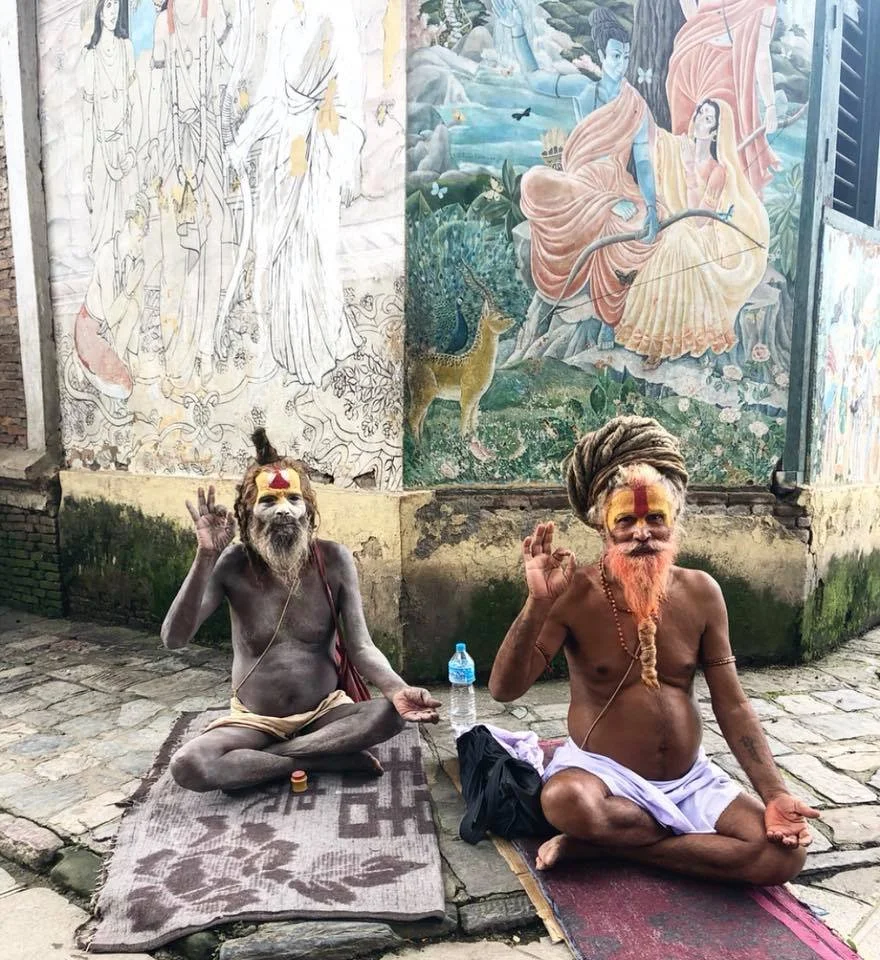
Aghori Babas | Photo by Jennifer Sodini (2018)
Aghoris smear cremated human ash over their bodies, believing it to be the purest form of matter, the final state of everything. They use human skulls, called kapalas, as bowls for eating, drinking, and ritual practice. The kapala is meant to remind them that everything is temporary, and everything is also sacred. Some Aghoris meditate on top of corpses in what is called shava sadhana, using the reality of death as a direct meditation object. They wear necklaces of bones, Rudraksha beads, and in some cases, human teeth.
Cannabis plays a significant role in their practice, and in the broader Shaivite tradition.
In the Vedas, cannabis is described as one of five sacred plants, said to have a guardian spirit (or angel) living within its leaves. Lord Shiva himself is closely associated with the plant, known in India as bhang. One legend states that Shiva wandered into the fields after an argument with his family, exhausted from the heat, and fell asleep beneath a leafy plant. When he woke, he ate from it and was immediately rejuvenated, making it his favorite food ever after.
The Aghoris don’t use cannabis recreationally, but, rather, as a tool for concentration, claiming it allows them to sustain the intense focus their practices demand.
Despite the extreme nature of what they do, the Aghoris I encountered were warm, friendly and thrilled to connect with Western tourists. They are not a violent group, and they do not recruit, proselytize, or harm living people. Their practices are, in their framing, a faster path to moksha, a way of burning through ego, fear, shame, and the illusion of separation, all at once.
Standing at Pashupatinath, watching ash drift up from the ghats and a baba sit motionless nearby, I did not feel afraid. I felt an unparalled clarity in the honesty of it all. Life is, in fact, a near death experience, and being somewhere profoundly authentic about what this journey in our human space-suits actually is, forever changed me…for good.